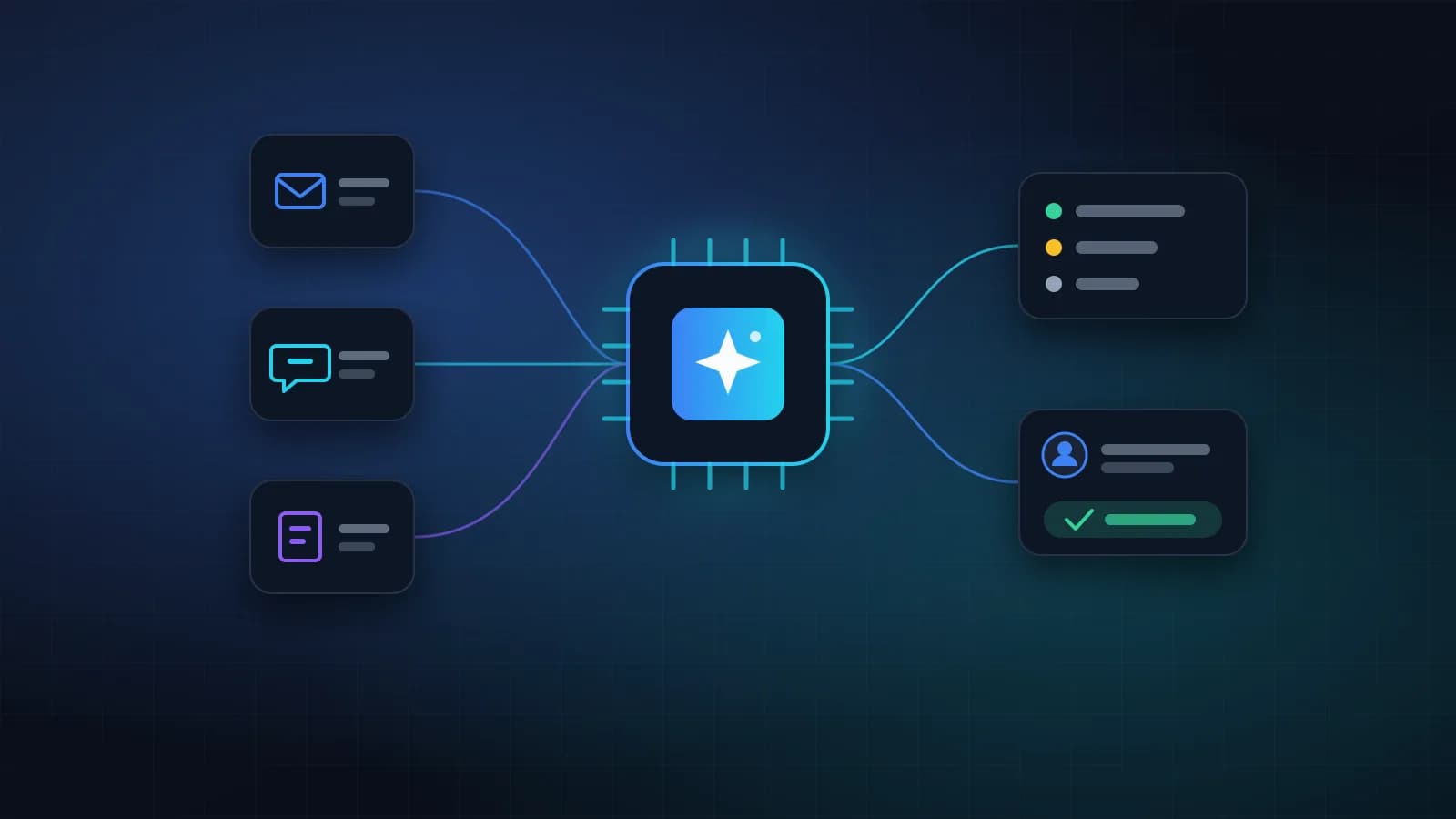
Every business that advertises knows the feeling: enquiries arrive from the website, Instagram, WhatsApp, IndiaMART and phone calls, and some of them never get a reply. Not because the team does not care, but because enquiries are scattered across apps and the day is already full.
The good news is that lead follow-up is one of the easiest and most valuable things to automate. This guide walks through how to do it in a way that is fast, reliable and still personal.
Why speed matters so much
When someone fills in a form, they are usually comparing a few businesses at the same time. The first business to reply with something useful has a big advantage. A reply that arrives the next day often lands after the customer has already decided.
Automation does not replace your sales team. It makes sure every enquiry gets an immediate, helpful first response and lands in front of the right person with the details they need.
Step 1: Bring every enquiry into one place
Before anything else, enquiries must stop living in five different apps. Connect each source to a single list — this can be a CRM, a Google Sheet, or the leads section of your website admin.
Typical sources are:
- Website contact and quote forms
- Facebook and Instagram lead ads
- WhatsApp Business messages
- Marketplace leads such as IndiaMART or JustDial
- Missed calls logged from your phone system
Tools like n8n, webhooks and the APIs of these platforms make it possible to send every new enquiry to the same place automatically, with the source recorded.
Step 2: Reply instantly
As soon as an enquiry arrives, send a short acknowledgement by email or WhatsApp. A good first message:
- Thanks the person by name
- Confirms what they asked about
- Says when a person will contact them
- Gives one useful next step — a brochure, price guide or booking link
Keep it short and human. Avoid messages that pretend to be a person typing; customers appreciate a quick, honest automated reply.
Step 3: Let AI qualify and sort
This is where AI is genuinely helpful. An AI model can read the free-text message in an enquiry and pull out the useful parts:
- What the person needs (which service or product)
- Budget or size signals, if they mentioned any
- Timeline — urgent, this month, just researching
- Location, if you serve specific areas
With that information, the workflow can give each lead a priority — for example hot, warm or later — and route it to the right person. A hot lead for a service you sell can trigger an instant alert to your sales phone. A general question can get a helpful answer from your FAQ.
Important: AI should sort and suggest, not decide on its own. Clear rules — for example “anything mentioning a budget above X or a date this week is hot” — combined with AI reading the message work far better than AI alone.
Step 4: Keep a human in the loop
For anything that commits your business, a person should approve before it goes out:
- Quotes and prices
- Discounts or refunds
- Medical, legal or financial information
- Replies to complaints
A good pattern is: AI drafts, a person approves with one click. Your team saves time on writing, but nothing leaves the business without a human check.
Step 5: Schedule the follow-ups
Most sales need more than one conversation. Set up a simple follow-up sequence for leads that have not replied:
- Day 0: instant acknowledgement
- Day 1: a personal message or call from your team
- Day 3: a helpful follow-up — a case study, FAQ or offer
- Day 7: a final, polite check-in
Stop the sequence automatically as soon as the person replies, books or says no. Nothing annoys customers more than an automated message after they have already bought.
Step 6: Measure and improve
Because every lead is now in one place, you can finally answer questions such as:
- Which source brings the most enquiries — and the most sales?
- How quickly do we reply on average?
- Where do leads drop off?
A weekly summary sent to the owner’s inbox or WhatsApp is often enough to spot problems early.
Privacy and consent
Enquiries contain personal data. Only collect what you need, store it securely, give access only to people who need it, and only send marketing messages to people who have agreed to receive them. Under India’s Digital Personal Data Protection Act, handling personal data carefully is a legal duty, not just good practice.
Where to start
You do not need to build all six steps at once. A sensible first project is:
- Bring website and social enquiries into one list
- Send an instant acknowledgement
- Alert the right person for every new lead
That alone usually removes most missed enquiries. Add AI qualification and follow-up sequences once the basics are running smoothly.
How we can help
JKA IT Solutions designs and builds AI automations and lead workflows that connect the tools you already use. See our AI automation service, look at our AI lead qualification workflow, try the pre-written examples in the AI Solutions Lab, or contact us to talk through your enquiry process.